Backland Residential Development | Constrained Site, Berkhamsted
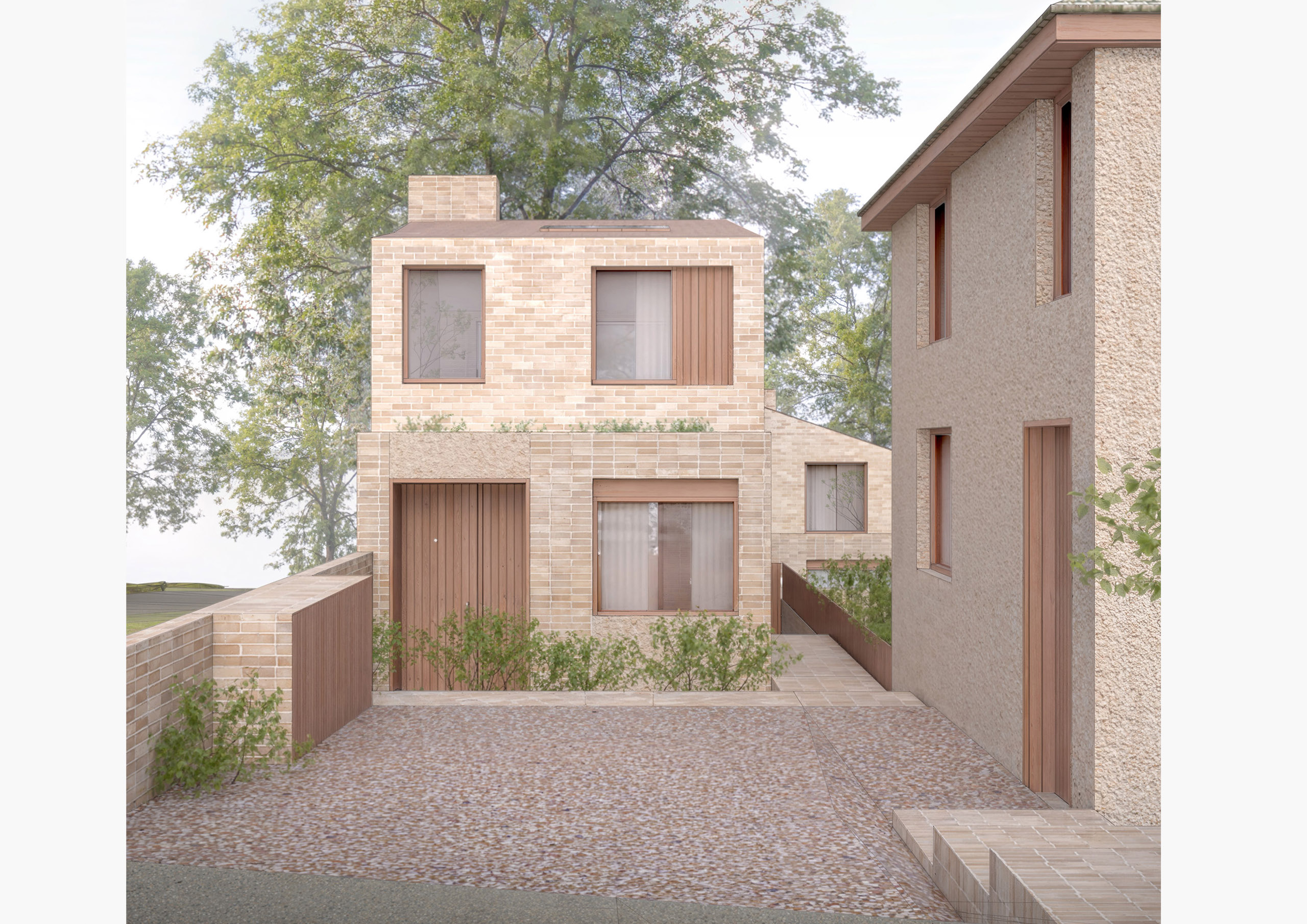
Common Ground Workshop has been appointed to develop a full planning application for a residential project in Berkhamsted, following detailed pre-application feedback.
The site sits within a tightly defined and sensitive context, where the introduction of new built form raises a number of key considerations. These include the visibility of development within the wider townscape, the relationship to surrounding properties, and the extent to which new proposals can be accommodated without undermining the prevailing character of the area.
Such conditions are not uncommon in edge-of-settlement and backland sites, where planning responses are often shaped by a cautious interpretation of context. While this approach seeks to protect established character, it can also limit opportunities for well-considered development if applied too rigidly.
The challenge, therefore, is not simply one of design, but of interpretation – understanding how the site sits within its surroundings, and how policy, precedent and spatial character can be read in a way that supports a coherent and deliverable proposal.
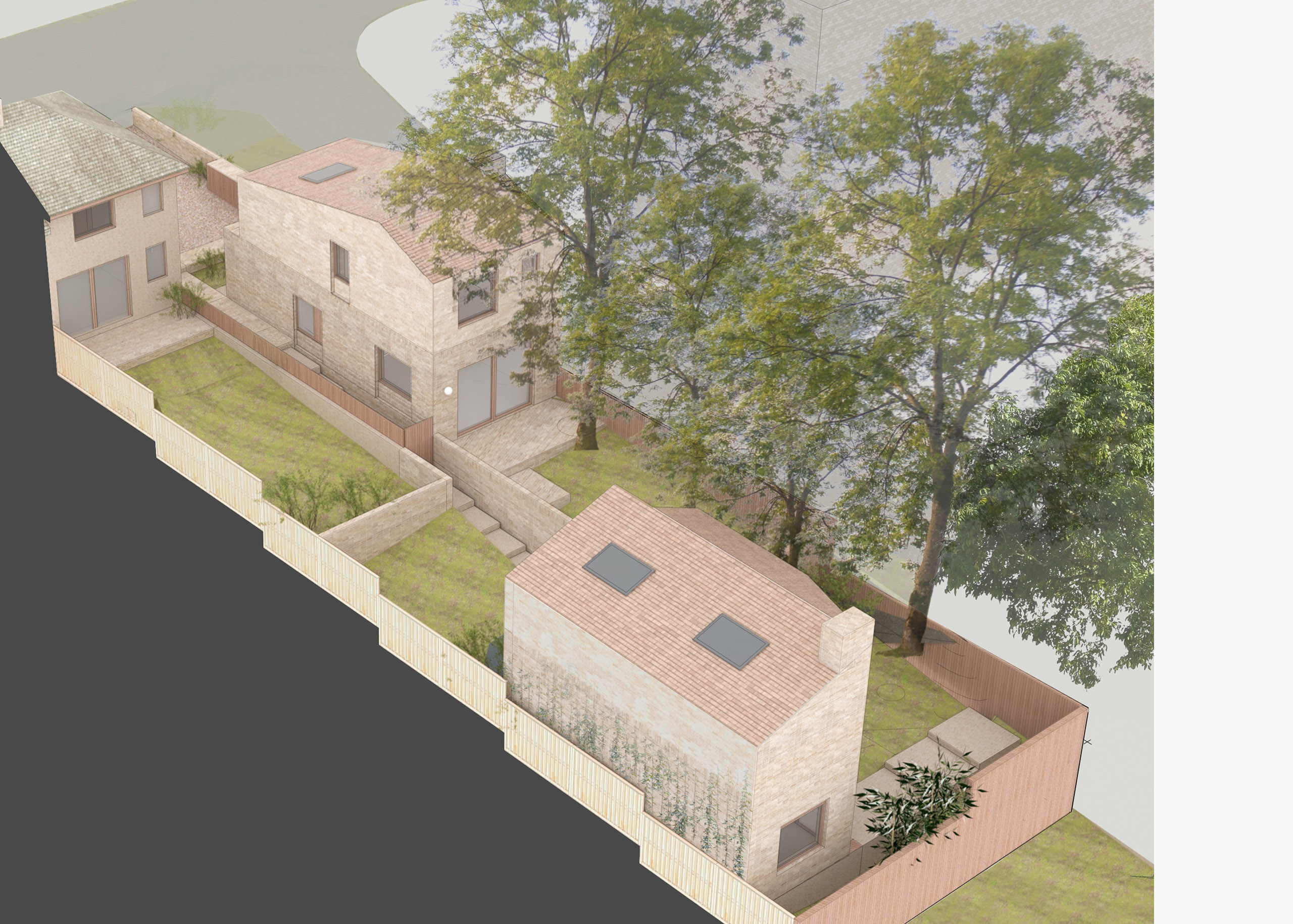
Our work on this project focuses on establishing a clear and structured response to these conditions. This begins with defining the parameters of the site precisely, including its visual envelope, its relationship to adjacent buildings, and its position within the broader urban grain.
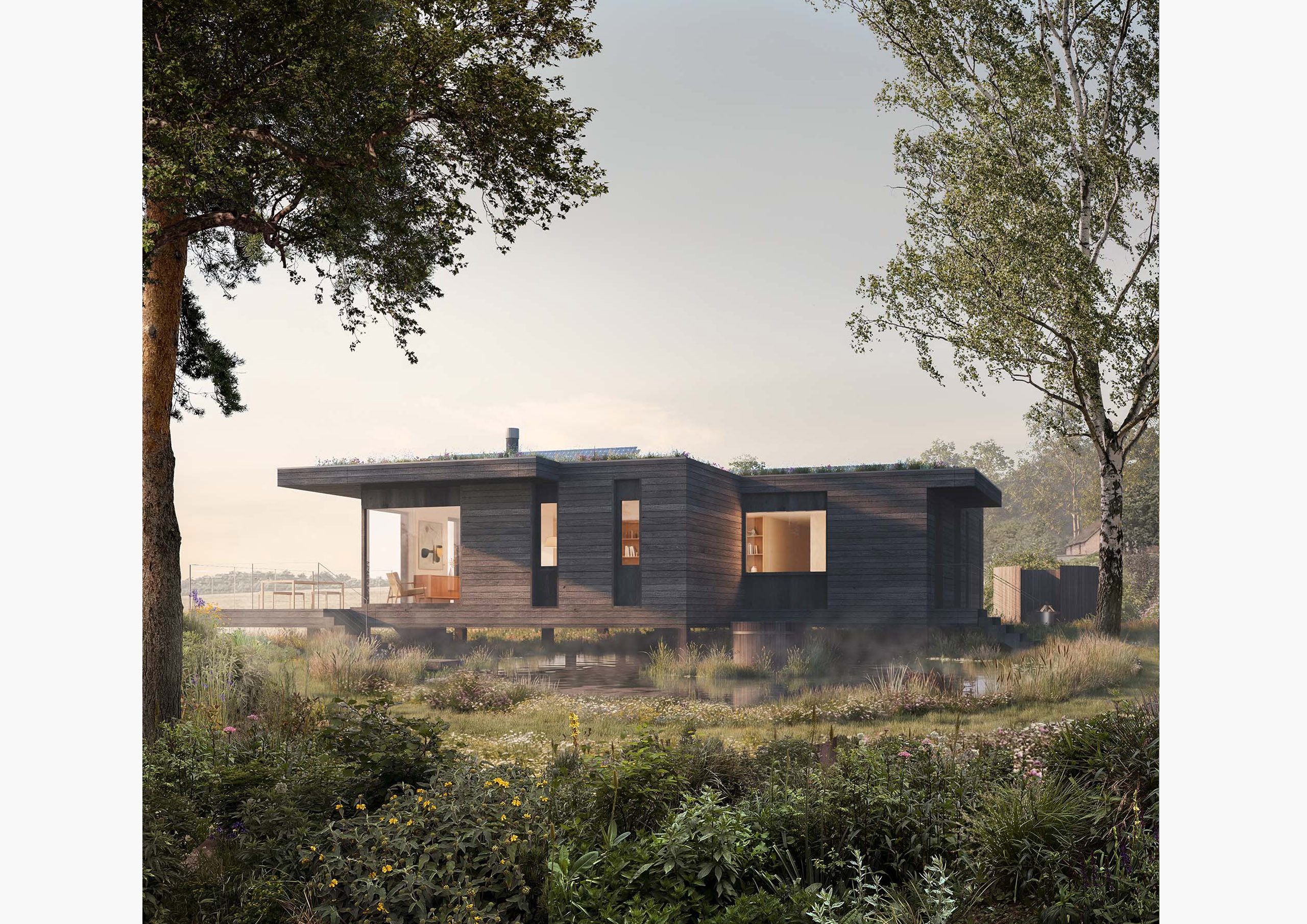
From this, the proposal is being developed as a low-rise, carefully composed intervention, where scale, massing and visibility are tightly controlled. The intention is not to maximise built form, but to demonstrate how a measured and disciplined approach can result in a proposal that is both contextually appropriate and robust in planning terms.
Central to this process is a detailed engagement with the local authority’s pre-application feedback. Rather than treating this as a constraint in itself, it forms part of a wider framework through which the proposal is tested, refined and justified.
This reflects a broader shift in how complex residential sites are approached. Increasingly, successful outcomes depend not on applying standard typologies, but on developing site-specific strategies that balance planning requirements, environmental performance and long-term viability.
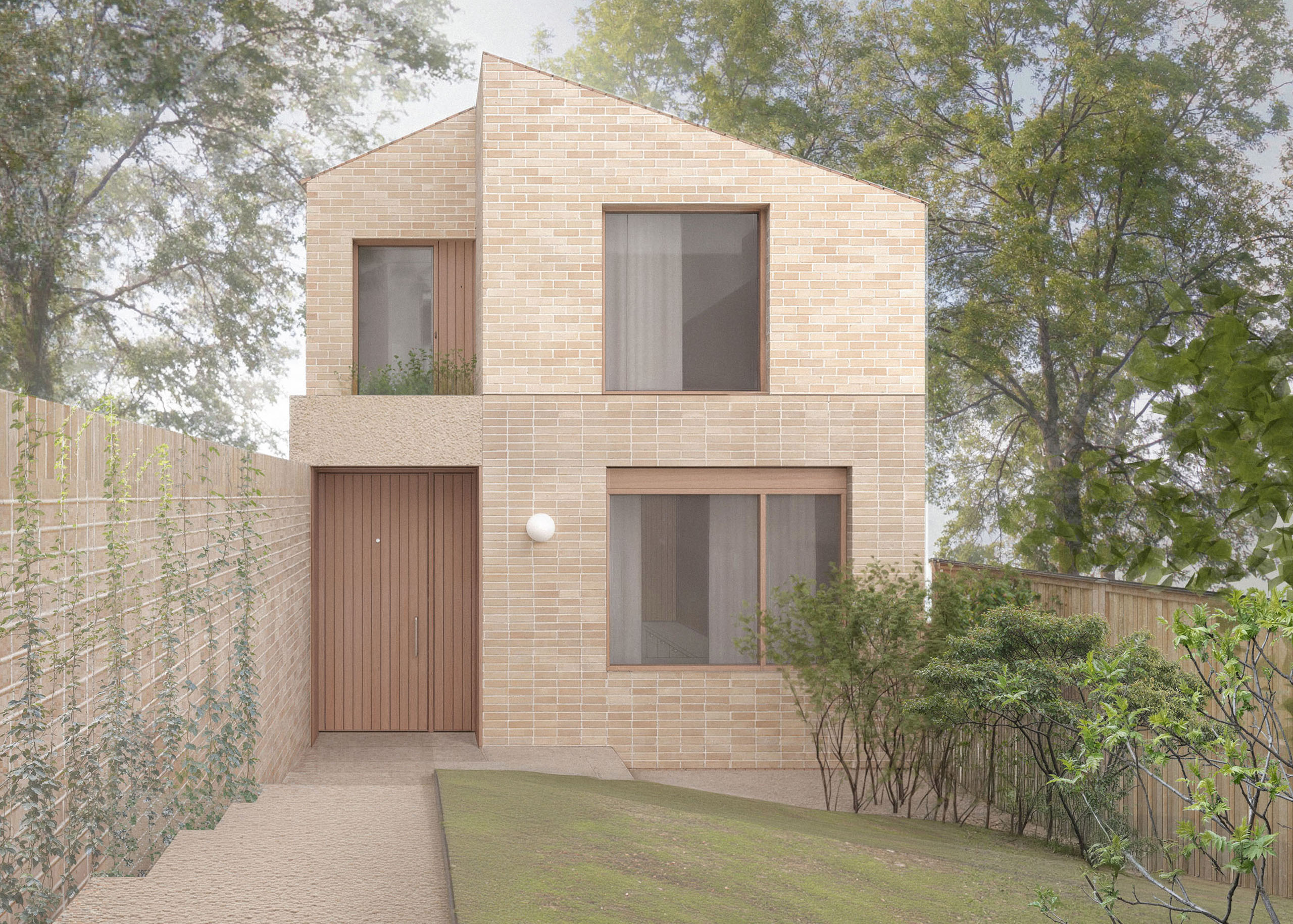
Common Ground Workshop’s work is focused on complex and constrained sites, where clarity of thinking, planning intelligence and a disciplined design approach are critical to unlocking potential and securing consent.
Projects of this nature require a careful reading of context, a willingness to test assumptions, and a structured approach to resolving competing demands.
They do not lend themselves to standard responses.